What is Sheet Metal Fabrication Used for?
Sheet metal fabrication is a valuable prototyping and production method for manufacturing robust functional components such as panels, brackets and enclosures.
However, unlike other manufacturing techniques, sheet metal fabrication actually includes many different processes, all of which manipulate sheet metal in different ways. These different processes may involve cutting sheet metal, forming it, or joining its different parts together.
This guide looks at the major sheet metal fabrication processes and advangtages of sheet metal and what they are used for.
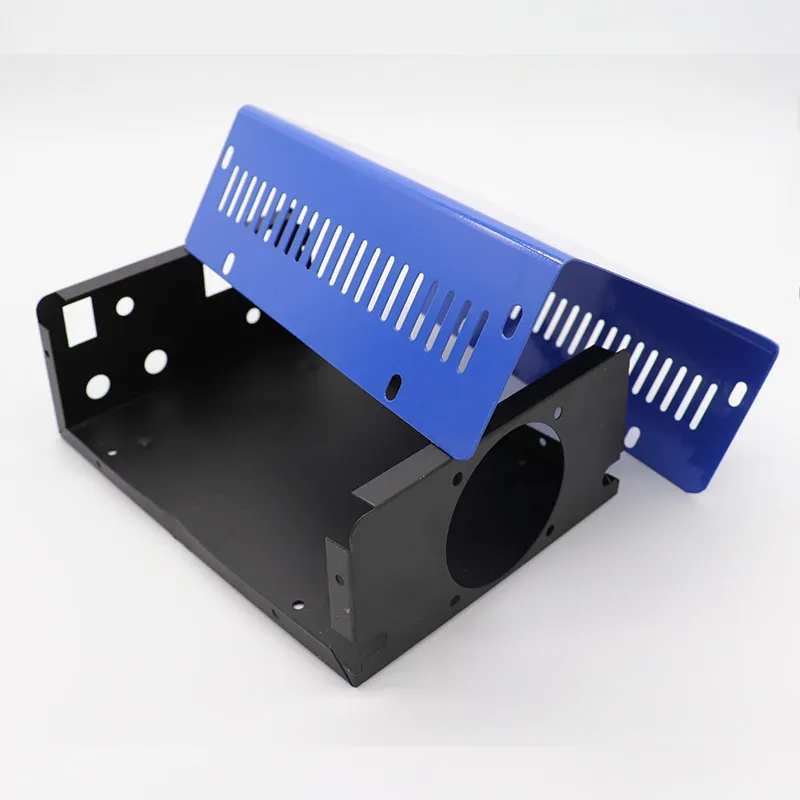
Electric Appliance Power Supply Box
What is sheet metal fabrication?
Sheet metal fabrication is a group of manufacturing processes that process sheet metal into functional parts. For this guide, we have divided the processes into three categories: cutting, deforming, and assembling.
Common sheet metal includes steel, stainless steel, aluminum, zinc, and copper, which are typically available in gauges ranging from 0.006 to 0.25 inches (0.015 to 0.635 cm). Thinner gauges are more ductile, while thicker gauges may be better suited for heavy parts with strenuous applications.
For partially flat or hollow parts, sheet metal fabrication can be a cost effective alternative to processes such as casting and machining. The process is also fast and produces minimal material waste.
Sheet metal fabrication is widely used for industrial and consumer parts as well as in specialized industries such as automotive, aerospace, energy and robotics.
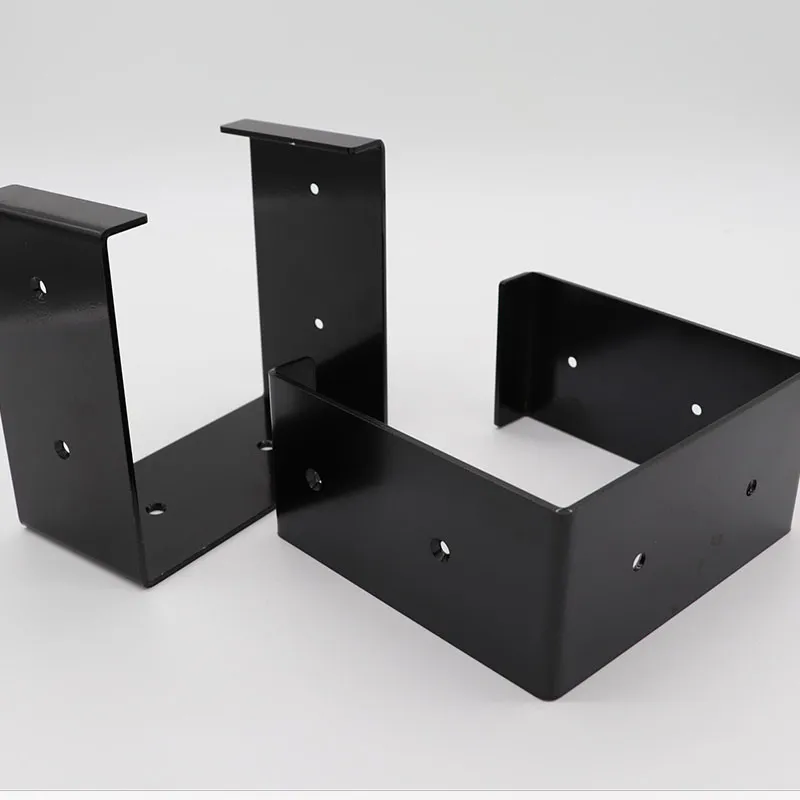
Metal Sheet Bending Parts
Advantages of Sheet Metal
Sheet metal design options are very flexible. The customer can express the need for certain features and the sheet metal material leaves room for many different solutions.
Single prototypes to mass production are possible. Modern production methods, such as 3D printing, offer fast lead times that are perfectly aligned with prototyping requirements. However, these methods are limited to prototyping.
Sheet metal manufacturing processes are suitable for the step-by-step transition from prototyping to mass production. Prototyping sets a larger number of baselines and expectations by creating the required infrastructure.
A wide range of surface finishes. These include powder coating, painting, galvanizing, plating, etc. This allows for many different looks, but can also provide protection in a variety of situations.
Multiple materials. The term sheet metal only tells us the range of thicknesses. But it has nothing to do with the material itself. Sheet metal can be all types of metal - mild steel, stainless steel, aluminum, brass, etc.
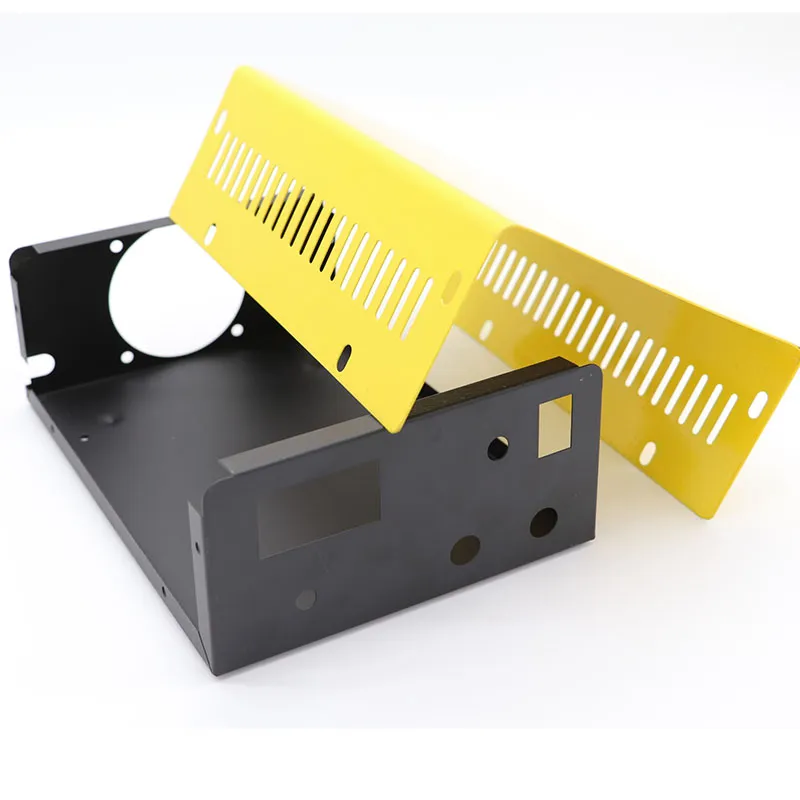
Colored Power Supply Box
Sheet Metal Applications
Looking around, it is clear that sheet metal has a plethora of applications. There aren't many household appliances, buildings, etc. that don't contain any sheet metal parts. Nonetheless, there are some specific uses for different groups of sheet metal. We can check them out.
Cold rolled steel is relatively inexpensive. As the name implies, it is rolled at room temperature. Cold rolled steel is limited to 3 mm thickness, but has a better surface.
Therefore, it is suitable for applications that require a good smooth finish. Some examples include household appliances, furniture, storage cabinets and cupboards. Cold rolled steel is also used for larger structures such as steel sheds and garages.
Hot rolled steel is formed in the heated state. Hot-rolled steel is easier and less expensive to form than cold-rolled steel. In addition, for the same reason, thicker plates are only available as hot-rolled plates - easier to form.
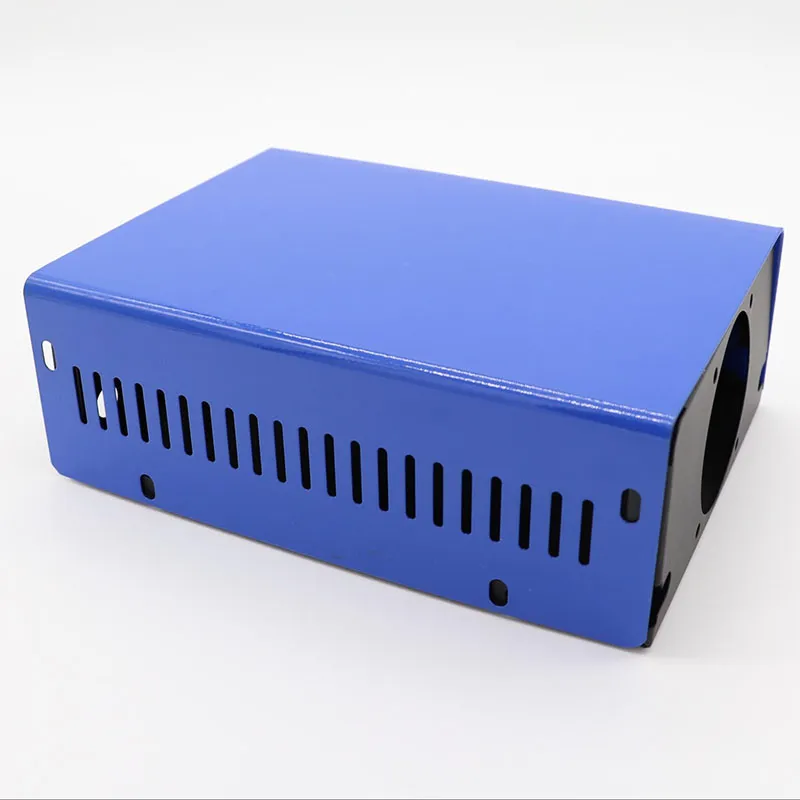
Electric Appliance Power Supply Box
However, hot-rolled steel does not have such precise dimensions. After rolling, the metal cools and shrinks. This leads to stress concentrations, which deform the material and change the measurements.
Stainless steel sheet performs well in corrosive environments, where the combination with strength is important. It is mainly used for various surgical instruments, tableware, kitchen fittings, sinks, etc. However, there are also good industrial examples for storage tanks, valves, pipes, etc.
Due to its high price, aluminum sheet may not be common for every engineer. Nevertheless, aluminum is widely used throughout the industry because of its outstanding qualities.
It is corrosion resistant (aluminum corrosion can still occur), but most importantly, it is both strong and lightweight. This makes it particularly important for the transportation industry, where every additional kilogram can lead to long-term losses. Consumer products such as cell phones and laptops often have durable and lightweight cases made of aluminum.
Get in touch for a free quote today.
- Previous: Types of Steel for Precision Metal Stamping
- Next: What Is Deep Drawing?