Types of Steel for Precision Metal Stamping
Precision metal stamping is one of the most common metalworking techniques utilized by various industries to turn sheet metal into custom parts.
Progressive metal stamping uses tools known as progressive dies, which contain multiple stamping stations that perform simultaneous operations on sheet metal strips. A feed system unfolds the strip from the coil and pushes it through each of the tool's different stations until the final part is made.
Because this process uses a variety of materials and technologies, it is critical to understand the options available and the factors to consider before you begin.
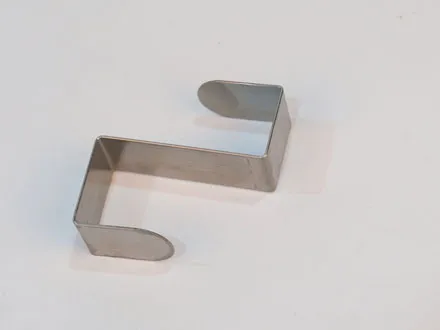
Stainless Steel S Shaped Hook
The Challenges of Precision Metal Stamping
According to research and market reports, the global metal stamping market will grow to $250 billion by 2027. As the demand for precision metal stamping increases and tools and materials continue to evolve, the industry must adapt and overcome challenges. Today's metal rolling technology is more advanced than traditional manual processes, but manufacturers still face a number of common problems in the production process.
One of these common problems is metal cracking, which occurs along the edges during the hot and cold rolling process. This is sometimes caused by uneven heating or rolling, but there are also metallurgical factors to consider.
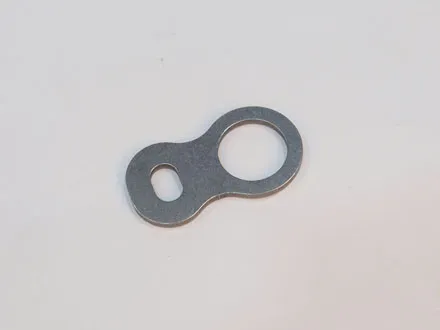
Metal Stamping Gasket
Austenitic stainless steels have a high cold hardness index (SS of 0.34%). Austenitic stainless steel is a meta-stable type that will transform deformation, which induces a martensitic phase. The martensitic phase is brittle and prone to cracking. During plastic deformation, as the elongation increases, the martensite content increases and so does the residual stress. The greater the relationship between residual stress and martensite content, the greater the residual stress and the more likely it is to crack during processing.
Like most challenges that occur during precision metal stamping, the best way to navigate cracking is to identify and address the root cause. Working with a precision re-roller with metallurgical expertise can greatly assist stamping plants in performing root cause analysis and solving similar problems.
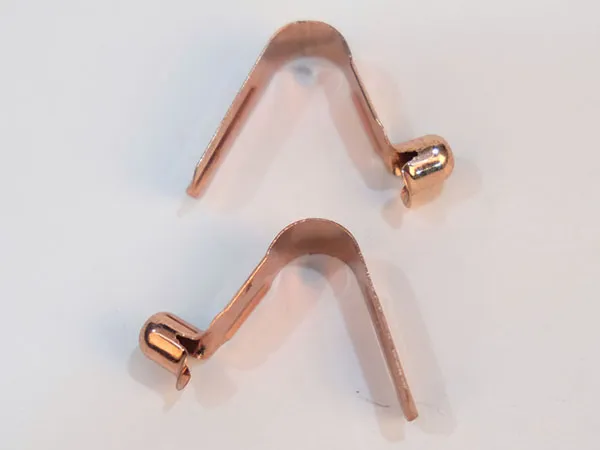
V Shape Spring Clip
Types of steel for precision metal stamping
Manufacturers can use a variety of metals in precision metal stampings. However, some processes and metal types perform better in precision metal stamping or are better suited for specific use cases.
Hot rolled steel is rolled at high temperatures and cooled quickly, leaving a rough surface. For applications requiring tighter dimensional tolerances and precision, the sheet metal is further processed at room temperature by cold working techniques.
During the cold rolling process, when the metal is subjected to mechanical stress, it causes a permanent change in the crystalline structure of the metal. This leads to an increase in its strength and often improves corrosion resistance. Cold rolled stainless steel coils can be precision manufactured, allowing the metal to be produced to extremely tight tolerances. Precision stamping itself uses stamping dies to form the metal. This usually occurs at room temperature, making it a cold process.

Flat Hooks
Compared to hot rolled steel, cold rolled steel has the following characteristics that make it ideal for the growing needs of precision metal stamping plants
Smooth finished surface
Precise edges and flatness
Uniform dimensions (width, thickness)
Greater strength and hardness
Uniform and predictable material properties